 0
0
 0
0
The dengue outbreak in Bangladesh has escalated sharply in 2025, with the death toll crossing 300 and new infections continuing to rise rapidly across the country. As of early November 2025, the Directorate General of Health Services (DGHS) reports over 74,000 confirmed dengue cases and 302 fatalities, marking one of the most severe outbreaks in recent years. The epidemic, exacerbated by erratic weather and urban mosquito proliferation, presents significant challenges for public health authorities and raises concerns for residents nationwide.
Key Developments:
According to the DGHS data released on November 5, 2025, Bangladesh recorded its highest single-day dengue death toll this year, with 10 fatalities reported in one day, bringing the total deaths to 302. The number of new infections for the past 24 hours reached 1,069, raising the total dengue cases in 2025 to nearly 75,000. This surge follows earlier months with thousands of daily new cases and rising hospitalizations, especially in urban centers like Dhaka and Chattogram. Health officials have intensified mosquito control efforts, including anti-larval operations and public awareness campaigns, to curb disease spread.
Expert Perspectives:
Dr. Nazmul Hassan, an infectious disease specialist unaffiliated with the DGHS, emphasizes the importance of early detection and community engagement in controlling dengue outbreaks. “Dengue is a seasonal viral illness transmitted by Aedes mosquitoes, but the disease pattern is changing, with cases now extending beyond the usual monsoon season,” he explains. “Climate variability, urbanization, and inadequate mosquito control measures are fueling these outbreaks. Immediate vector control and public cooperation remain critical to prevent further fatalities”.
Context and Background:
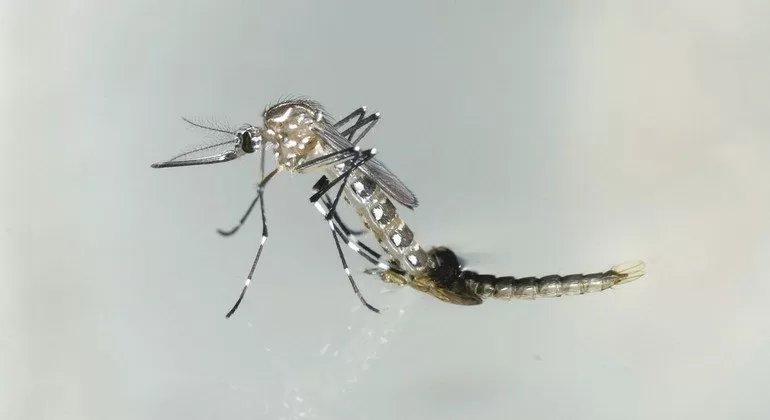
Dengue fever, caused by the dengue virus transmitted primarily through Aedes aegypti mosquitoes, is a prevailing public health concern in Bangladesh, especially during monsoon and post-monsoon seasons. The 2025 outbreak signifies one of the largest in the country’s history, with over 74,000 infections causing strain on healthcare facilities nationwide. In previous years, significant outbreaks were recorded, notably in 2019 and 2023, with hundreds of deaths linked to the disease. Factors such as climate change, erratic rainfall patterns, and rapid urbanization have expanded mosquito breeding grounds, contributing to more intense and prolonged outbreaks.
Public Health Implications:
The expanding dengue epidemic stresses the urgent need for sustained public health interventions. Authorities must reinforce vector control programs, improve surveillance, and enhance hospital preparedness. For the public, preventing mosquito bites through the use of repellents, mosquito nets, and eliminating standing water sources remains the frontline defense. Public awareness campaigns focusing on recognizing early dengue symptoms and seeking timely medical care could reduce fatality rates, which currently hover above half a percent among infected patients.
Potential Limitations and Counterarguments:
While government data indicate a high number of cases and deaths, underreporting or delays in reporting from rural areas may obscure the full scale of the outbreak. Additionally, diagnostic challenges and overlap with other febrile illnesses can affect accuracy. Some experts caution that media focus on death tolls might induce public fear, highlighting the need for balanced reporting that underscores prevention and treatment progress. Efforts to tackle climate factors influencing dengue vectors must be long-term and multifaceted, considering environmental and socioeconomic determinants.
Practical Implications for Readers:
Dengue’s resurgence in Bangladesh this year underlines the need for vigilance as mosquito presence is sustained beyond typical seasons. Individuals are advised to maintain mosquito-proof environments, use barriers such as screens and repellents, and monitor for early dengue signs like sudden fever, headache, muscle pain, and rash. At-risk individuals, particularly children and the elderly, should seek early medical consultation to prevent severe complications. Community participation in cleaning and anti-larval drives directly impacts outbreak control.
Medical Disclaimer:
This article is for informational purposes only and should not be considered medical advice. Always consult with qualified healthcare professionals before making any health-related decisions or changes to your treatment plan. The information presented here is based on current research and expert opinions, which may evolve as new evidence emerges.
References: