 0
0
 0
0
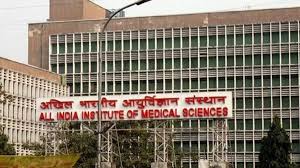
The All India Institute of Medical Sciences (AIIMS) has issued new guidelines regulating the working hours for resident doctors at the Institute, capping their active duty to a maximum of 12 continuous hours per day and 48 hours per week. This move follows a Supreme Court directive in response to growing concerns over the challenging and “inhumane” working conditions resident doctors face across India. The guidelines emphasize fair scheduling, mandated weekly rest days, and accountability measures for department heads to ensure compliance.
Key Developments on Resident Doctor Duty Hours
AIIMS released its official notice on August 21, 2025, reiterating that junior resident doctors should work no more than 48 hours weekly and no more than 12 hours in one stretch, including call duties. The policy requires all Chiefs of Centres (COCs) and Heads of Departments (HODs) to enforce these timings rigorously. Resident doctors will have one weekly holiday on a rotating basis, aiming to alleviate the chronic fatigue and mental stress many have reported.
These changes align with a 1992 directive on resident doctor working hours, which has not been consistently enforced across medical institutions in India. The Supreme Court is actively engaged in hearing petitions, including one filed by the United Doctors’ Front (UDF), demanding constitutional protections against exploitative work schedules that disregard basic human limits on physical and psychological endurance.
Expert Perspectives and Context
Dr. Neha Sharma, a prominent medical ethicist not involved in this petition, commented, “Long duty hours contribute to physician burnout, reduce clinical performance, and increase medical errors. AIIMS setting enforceable limits is a step toward securing better work-life balance for resident doctors, ultimately benefiting patient safety.”
Medical research supports this stance. Studies indicate that physicians working extended shifts beyond 12 hours are at higher risk of making diagnostic errors, affecting patient outcomes. A 2019 review in the Journal of Graduate Medical Education linked prolonged resident duty hours with increased fatigue, impaired cognitive abilities, and adverse health effects such as cardiovascular strain and mental health disorders.
Public Health Implications
Limiting resident doctors’ working hours may improve healthcare quality by reducing medical errors and enhancing physician well-being. Resident doctors form the backbone of the healthcare delivery system, particularly in tertiary care institutions like AIIMS, where high patient loads and emergencies demand intensive work. Reducing excessive hours addresses both human rights and quality care concerns.
However, this policy change also raises questions about staffing adequacy. Healthcare administrators will need to balance workforce numbers with patient care demands to ensure continuity without overburdening remaining staff. Adequate recruitment and resource planning will be essential to sustain the new duty schedules.
Limitations and Counterarguments
Some critics argue that strict time limits might affect residents’ clinical exposure, necessary for training in complex cases. Others highlight the challenge of consistently enforcing regulations amid unpredictable patient care emergencies. The government and institutions will need robust monitoring frameworks to ensure compliance rather than superficial adherence.
Moreover, while AIIMS has set these standards, comprehensive nationwide adoption depends on the cooperation of other government and private medical colleges, many of which still struggle with resource constraints and administrative gaps.
Practical Takeaways for Readers
For healthcare consumers, this policy could lead to safer hospital environments as fatigued doctors are less prone to error. For resident doctors, it signals recognition of their mental health and physical limits, potentially improving job satisfaction and reducing burnout risk. Patients and the public should advocate for similar reforms across medical training institutions for equitable working conditions and quality care.
Medical Disclaimer
Medical Disclaimer: This article is for informational purposes only and should not be considered medical advice. Always consult with qualified healthcare professionals before making any health-related decisions or changes to your treatment plan. The information presented here is based on current research and expert opinions, which may evolve as new evidence emerges.
References
-
AIIMS official notice on resident doctor duty hours, August 21, 2025.
-
Supreme Court of India hearings on resident doctor working conditions (United Doctors’ Front petition), 2025.
-
Journal of Graduate Medical Education, “Effects of Resident Duty Hours on Clinical Performance and Health Outcomes,” 2019.
-
Government of India, National Medical Commission directives on medical education and training.